The Kia Sorento interior combines versatile seating configurations with intuitive ergonomic design to ensure optimal
comfort and utility for all occupants. Understanding the controls, proper seat adjustment mechanics, and safety
guidelines guarantees a refined driving experience while maintaining full protective system capability across both
rows.
Figure 1. Front seat configuration and adjustment controls
The actual features and control layouts may differ slightly from the illustration depending on your vehicle's trim
level, trim options, and regional specifications.
Note that Kia Sorento vehicles equipped with 6 seating positions feature specialized second-row captain's chairs and
do not have a 2nd-row bench seat.
Seatback angle switch / lever: Controls the recline angle of the seatback for driver and
passenger ergonomic preference.
Forward and backward adjustment: Slides the entire seat assembly longitudinally to set
appropriate legroom and distance from the control pedals or dashboard.
Lumbar support adjustment: Modifies lower-back firmness and contouring to reduce driver
fatigue
during extended trips in the Kia Sorento.
Seat cushion height control: Raises or lowers the vertical position of the seating surface
to
enhance visibility and head clearance.
Seat cushion tilt adjustment: Changes the pitch angle of the front cushion edge to provide
customized thigh support.
Cushion extension (Driver’s seat): Extends the forward cushion pad to offer tailored
under-thigh
support for drivers with longer legs.
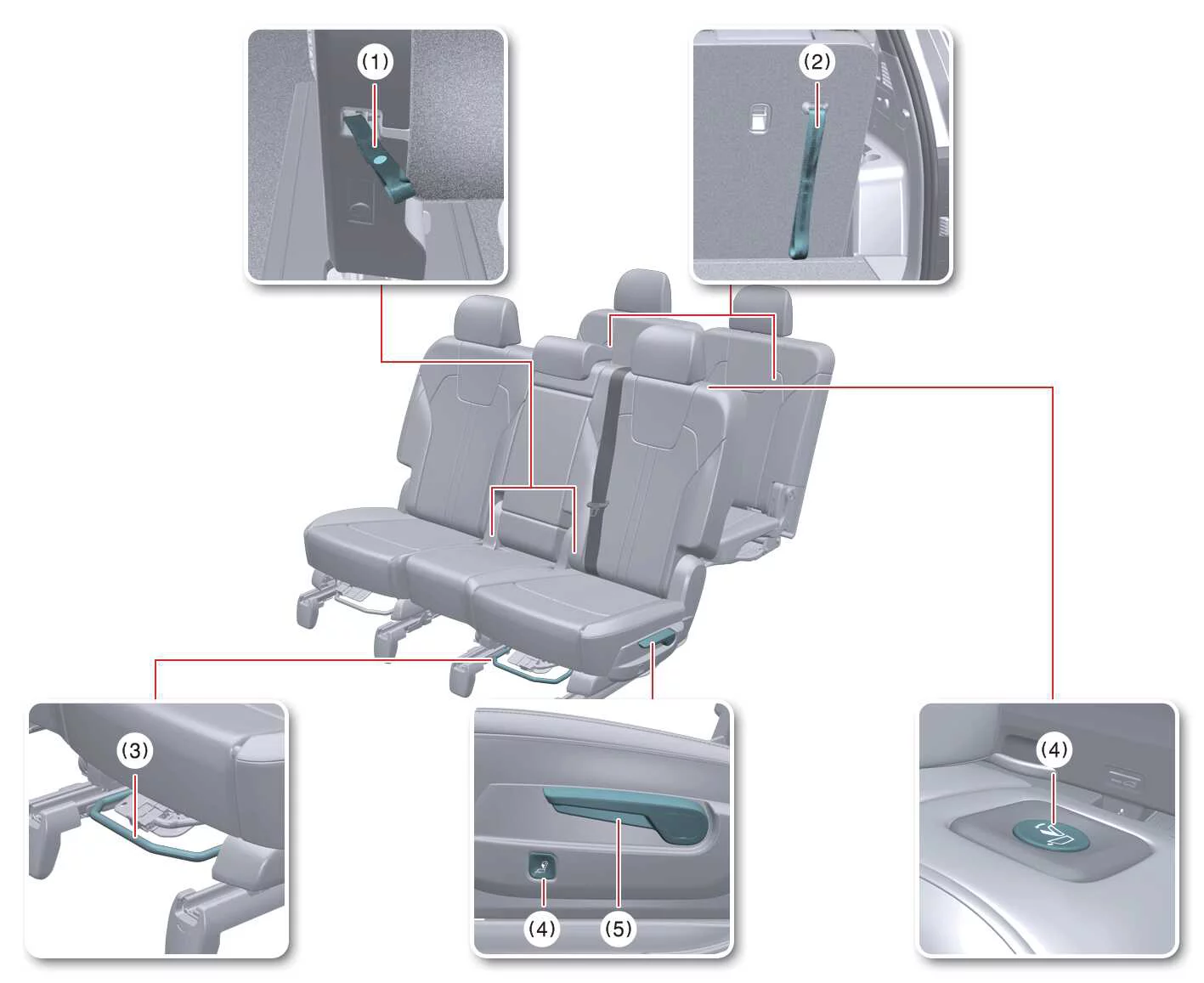
Figure 2. Rear seat adjustment levers and folding mechanisms
The actual features and mechanical releases may differ from the illustration based on specific equipment packages and
regional Kia Sorento configurations.
Vehicles with 6 seating positions are equipped with individual middle-row captain's chairs and do not have a 2nd-row
bench seat layout.
Emergency folding strap: Provides a direct mechanical pull-strap to collapse the rear
seatback
flat during unexpected system faults or power interruptions.
Folding strap: Allows quick manual releasing and folding of the seatbacks directly from the
cargo bay area.
Forward and backward sliding lever: Adjusts second-row legroom and balances cabin spatial
distribution between passengers and cargo.
Walk-in switch: Automatically releases and slides the second-row seat forward in a single
motion
to permit effortless access to the third row of the Kia Sorento.
Seatback angle adjustment and folding lever: Regulates the recline position during passenger
travel or completely unlocks the seatback to fold flush with the load floor.
WARNING
Loose objects in the footwell area: Unsecured items, floor mats out of position, or loose
objects
placed in the driver’s footwell can slide beneath the foot pedals, physically obstructing brake or accelerator
operation and causing a collision. Never store or place any items under or immediately behind the front seats of
your Kia Sorento.
CAUTION
Raising a manual seat upright: When returning a folded manual seatback to its upright position,
always hold and firmly control the top of the seatback with your hand before pulling the release lever. Without
manual control, internal spring tension will cause the seatback to snap forward rapidly, potentially causing
personal injury to nearby occupants.
WARNING
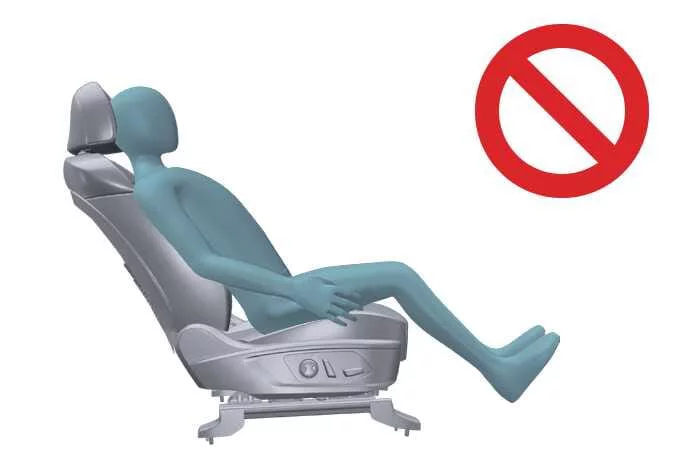
Driver responsibility for passenger positioning:
The driver must instruct all vehicle passengers to keep their seatbacks locked in an upright position whenever
the
Kia Sorento is in motion. Sitting in a heavily reclined position while traveling significantly reduces the
effectiveness of the seat belt and Supplemental Restraint System (SRS), drastically increasing the risk of
sliding
under the lap belt or suffering severe injuries during a collision or abrupt deceleration.
WARNING
Aftermarket seat cushions and seat covers: Vehicle occupants should never sit on non-approved
aftermarket seat cushions or thick pads. Supplementary cushions can interfere with the proper calibration and
operation of the front passenger Occupant Detection System (ODS). Furthermore, non-standard seat padding
increases
the risk of "submarining," where the occupant's hips slide forward beneath the lap belt during a sudden crash or
heavy braking event.
WARNING
Driver’s seat adjustments and safety parameters:
Never attempt to adjust the driver’s seat or recline angle while the Kia Sorento is underway. Sudden
movement
of the seat frame can cause a complete loss of vehicle control, leading to an accident.
Ensure that no cargo, luggage, or accessories interfere with the full operational travel and normal
locking
position of the seatback. Storing items tightly against the rear of the seatback can prevent proper
locking and
cause catastrophic failures during severe impacts.
Maintain a correct driving posture by sitting as far back from the steering wheel as comfortably possible
while
maintaining positive control of the pedals and steering column. Safety engineering guidelines recommend
maintaining a minimum distance of 10 inches (25 cm) between the center of the driver's chest and the
steering
wheel hub to prevent supplemental air bag inflation injuries.
WARNING
Securing rear seatbacks before driving: Always verify that all rear seatbacks are securely
locked
into their vertical upright detents before driving the vehicle. An unlatched rear seatback can swing forward
under
sudden braking forces, throwing rear passengers or unanchored cargo toward the front cabin and causing severe
impact
injuries.
WARNING
Unexpected seat frame movement: After performing a manual adjustment to any seat in the Kia
Sorento, manually test the locking mechanism by rocking your body weight forward and backward against the seat
structure. If the latch is not fully engaged, unexpected mechanical shifting while accelerating or stopping can
result in sudden loss of driver control.
WARNING
Precautions during seat adjustment:
Do not adjust the front or rear seat positions while occupants are wearing fastened seat belts. Sliding
the
seat mechanism forward under belt tension can exert high restraint pressure directly onto the abdominal
region.
Keep hands, fingers, and foreign objects clear of the bottom seat rails, power tracks, and hinge
mechanisms
during adjustment. The strong leverage and mechanical motor power can trap and severely pinch or injure
hands.
WARNING
Luggage and cargo placement in the load bay: Do not pile cargo or travel luggage higher than the
top edge of the rear seatbacks in the Kia Sorento load area. In the event of rapid deceleration or a front-end
crash, loose items elevated above the seatback line can become dangerous high-velocity projectiles. Heavy or
bulky
luggage must always be stowed low and firmly secured to the cargo tie-down hooks.
WARNING
Prohibition of passengers in the cargo area: Never allow passengers to travel in the cargo area
or
on top of folded seatbacks under any circumstance. The cargo hold is strictly designed for carrying inanimate
luggage. Occupants in these areas lack seat belt restraints and air bag protection, exposing them to extreme
risk of
injury or death during violent maneuvers or collisions.
CAUTION
Retrieving small objects under seat frames: Exercise extreme caution when reaching under the
seating frames or into narrow crevices between the seat cushions and center console to retrieve fallen items.
The
stamped steel seat tracks, electrical connectors, and manual slide linkages possess exposed metal edges that can
easily cause cuts or puncture wounds.
NOTE
Precautions with custom seat covers and ventilation systems: Exercise extreme care when fitting,
servicing, or cleaning seat covers on models with integrated seat heating and cooling. Improper installation can
pinch embedded wiring harnesses, disrupt electrical connections, generate operational noise, or permanently
damage
the internal seat ventilation blowers.
WARNING
Electrical short circuit risk and thermal hazards: Pay close attention to underlying electrical
wiring harnesses and seat climate ventilation ports when placing custom seat covers or temporary plastic
protective
sheets over the upholstery. Crushing electrical harnesses or blocking active heating/cooling ducts creates
severe
short-circuit risks, electrical faults, and potential fire hazards inside the Kia Sorento cabin.
Throughout this owner manual and safety guide, you will find vital safety precautions, operational procedures, and
actionable recommendations designed to protect you and your passengers.
The saf...
Seat leather trim and maintenance (if equipped)
The premium seating surfaces in your Kia Sorento are upholstered with a sophisticated combination of
high-grade
...
See also:
Timing Chain Inspection
Sprockets, Hydraulic Tensioner, Chain Guide, Tensioner Arm, Timing Chain
1.
Check the CVVT sprocket, crankshaft sprocket teeth for abnormal wear,
cracks or damage. Replace ...

 Kia Sorento Seats and Cabin Configuration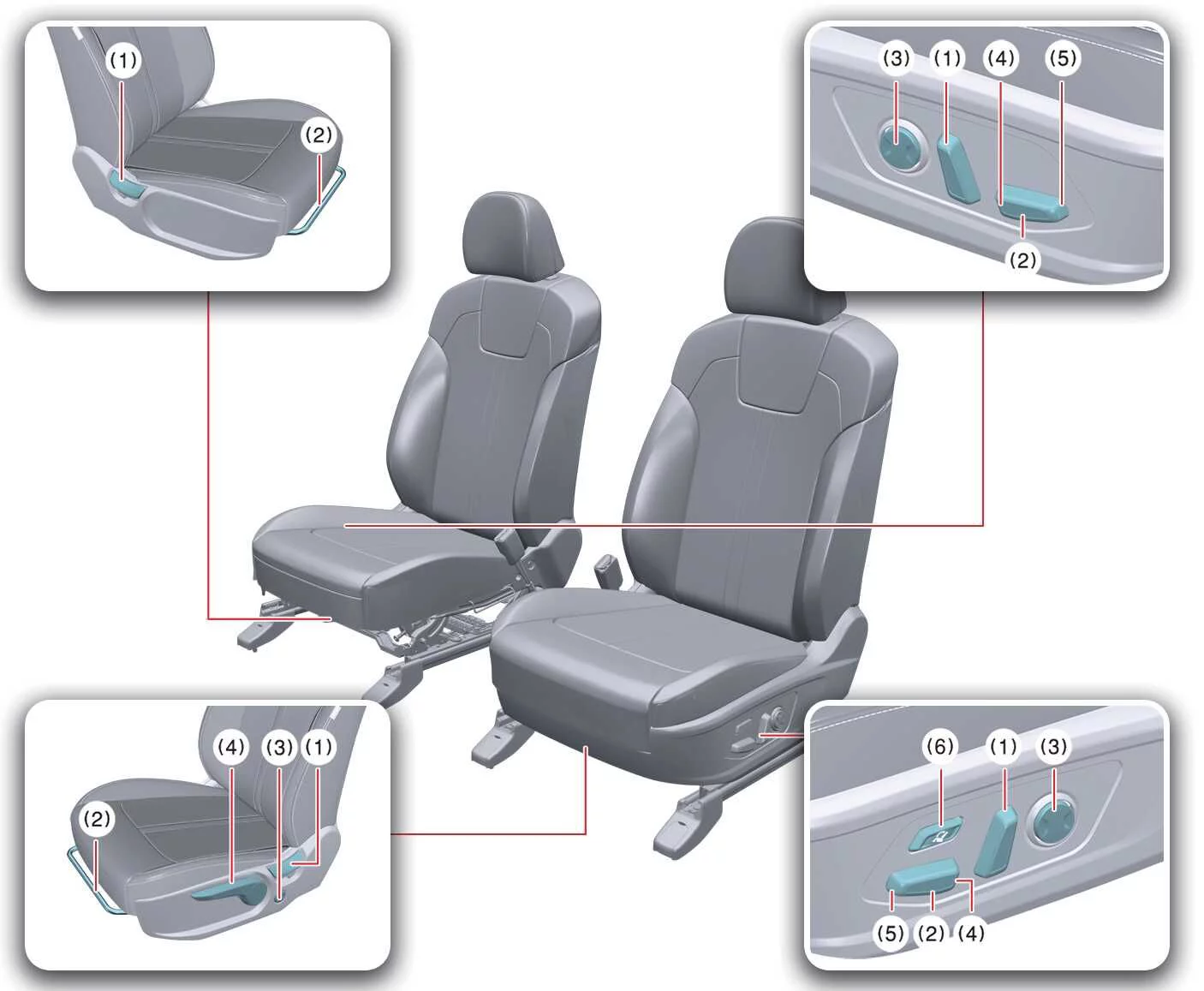
 Important safety precautions
 Seat leather trim and maintenance (if equipped). Front seat adjustment for manual seat systems (if equipped)
