
 Kia Sorento: Tire Pressure Monitoring System (TPMS)
The advanced Tire Pressure Monitoring System (TPMS) continuously tracks the pneumatic pressure of your Kia Sorento tires, delivering real-time telemetry straight to the instrument cluster display.
|
|
-
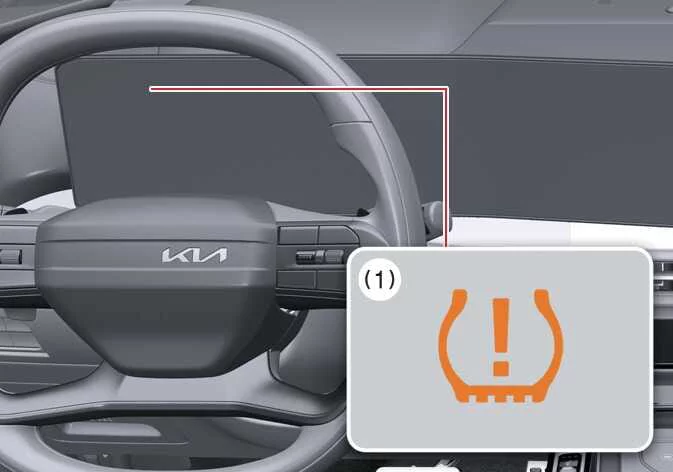
Low tire pressure warning indicator or system malfunction alert lamp
-
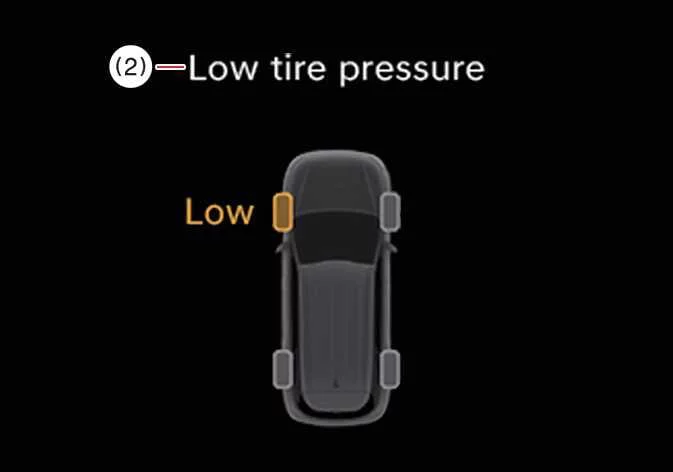
Individual low tire pressure position indicator light showing specific wheel locations on the instrument cluster screen
Tire Pressure Indicator
-
You can effortlessly review live tire pressure numbers in the assist mode screen on your Kia Sorento instrument cluster. For detailed configuration steps, consult the dedicated LCD display modes section.
-
The active tire pressure indicators typically populate on your dashboard display within one to two minutes after you begin driving your vehicle.
-
If precise tire pressures fail to show up while your vehicle is completely stationary, a helpful Drive to display notice will appear, prompting you to pull away and resume driving.
-
You have the flexibility to switch between your preferred pressure measurement units—such as psi, kPa, or bar—via the user customization settings located right on the instrument cluster menu.
TIP
-
Ambient parking conditions, aggressive driving styles, and significant changes in altitude above sea level can alter measured tire pressures naturally.
-
The digital values shown on your Kia Sorento instrument cluster might occasionally exhibit slight variations compared to standalone mechanical tire pressure gauges.
-
A low pressure caution chime can sometimes trigger when a specific tire's pressure drops close to surrounding tires, reflecting standard fluctuations tied directly to operating temperatures.
- Effective use of TPMS. Low tire pressure indicator light
- TPMS malfunction indicator. Tire replacement with TPMS
- This device complies with Part 15 of the FCC rules.
 If the engine overheats. In case of an emergency while driving
 Effective use of TPMS. Low tire pressure indicator light
See also:
Using the iPod
Some iPod ...
Inside rearview mirror
Adjust the interior rearview mirror so that you enjoy an unobstructed, centered field of view directly through the
rear window. Always complete this adjustment before setting your vehicle in moti ...
Component Location
1. Windshield deicer relay
2. Windshield deicer switch
3. Windshield deicer
4. Deicer connector
...
Manuals list
- Kia Sorento MQ4 2021-2026 Owners Manual
- Kia Sorento XM 2011-2015 Owners Manual
- Kia Sorento XM 2011-2015 Service Manual
