
 Kia Sorento: Description and Operation
Kia Sorento (MQ4, 2021-2026) Service Manual / Engine Control / Fuel System / ISG (Idle Stop & Go) System / Description and Operation
| Description |
| • |
ISG system improves fuel efficiency and reduces emissions by temporary stop the vehicle engine either at
waiting for a traffic signal or stopping.
|
| • |
The ISG system is always ON whevenever the engine start.
|
| • |
If the vehicle is completely stopped while the brake pedal is pressed, the engine will automatically stop
and the AUTO STOP indicator (green) ON.
|
| • |
If you release your foot from the brake pedal while the engine is automatically stopped, the engine will
restart and the AUTO STOP indicator will OFF.
During AUTO HOLD operation, the engine remains stopped even if you release the brake pedel. When you press
the accelerator pedal, the engine will restart.
|
| System Components |
The ISG system consists of a mutual network among the related components. Refer to relevant system manual
for detail.
(Refer to table below)
|

|
Component |
System |
|
ECM |
Engine Control / Fuel System - Engine Control Module (ECM) |
|
Seat belt switch |
Restraint - Seat Belt Buckle Switch (BS) |
|
Door switch |
Body Electrical System - Keyless Entry And Burglar Alarm |
|
Hood switch |
Body Electrical System - Keyless Entry And Burglar Alarm |
|
Brake switch |
Brake System - Brake Switch |
|
Brake booster vacuum pressure sensor |
Brake System - Brake Booster |
|
Ambient temperature sensor |
Heating, Ventilation And Air Conditioning - Ambient Temperature Sensor |
|
Battery sensor |
Engine Electrical System - Battery Sensor |
|
AGM battery |
Engine Electrical System - Battery |
|
DC DC converter |
Engine Control / Fuel System - DC DC converter |
|
Starter |
Engine Electrical System - Starter |
|
Position switch |
DCT (Dual Clutch Transmission) System - Position Switch |
| • |
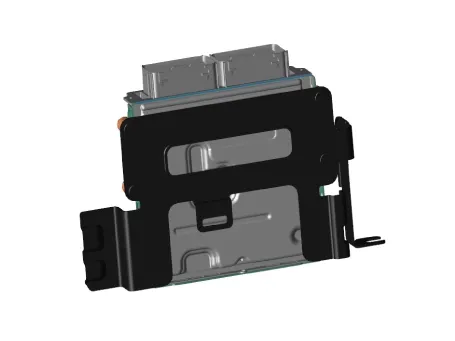
ECM : Using all vehicle
control system information, the ECM controls the Engine ON and OFF.
|
| • |
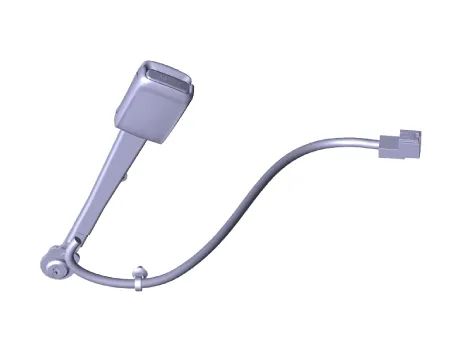
Seat belt switch : It detects
the seat belt engagement and this information is used as the ISG system operating condition.
|
| • |
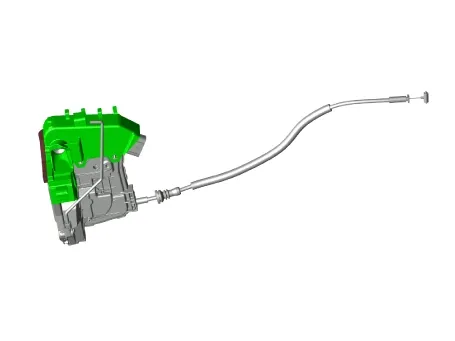
Door switch : It detects the
driver side door open/close status and this information is used as the ISG system operating condition.
|
| • |
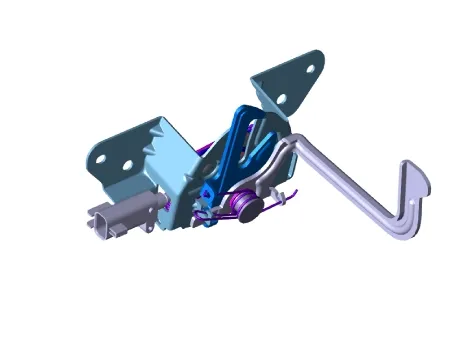
Hood switch: It detects the
hood open/close status and this information is used as the ISG system operating condition.
|
| • |
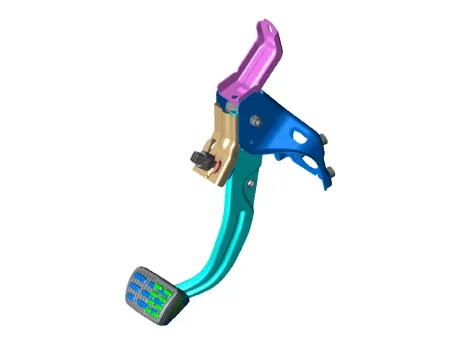
Brake switch: It detects the
brake pedal operation and this information is used as the ISG system operating condition.
|
| • |
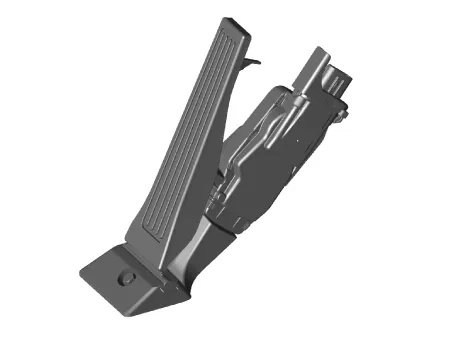
Accelerator position sensor:
It detects the accelerator pedal operation and this information is used as the ISG system operating condition.
[when auto hold is applied]
|
| • |
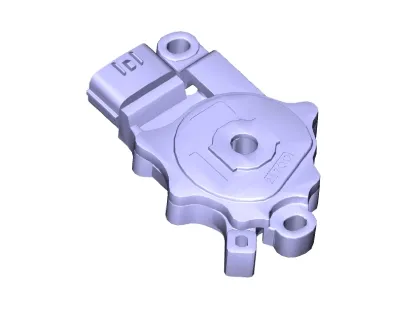
Position switch : It detects the gear shift position (P/R/N/D,
manual mode) and this information is used as the ISG system operating condition.
|
| • |
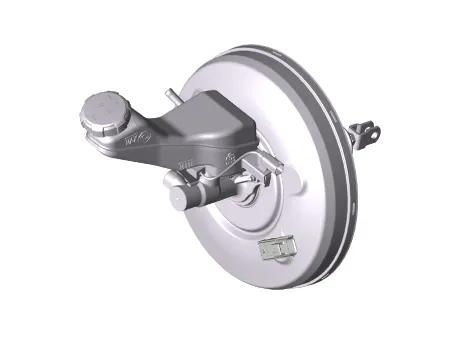
Brake booster vacuum pressure sensor : It detects the brake pressure
and this information is used as the ISG system operating condition.
|
| • |
Ambient temperature sensor : It detects the ambient temperature and
this information is used as the ISG system operating condition.
|
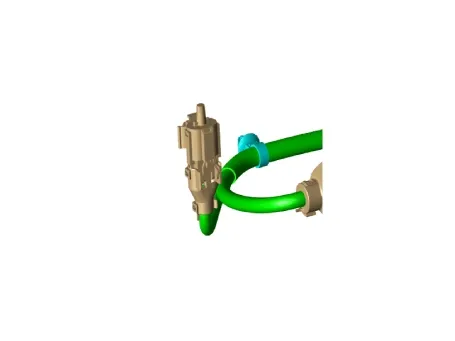
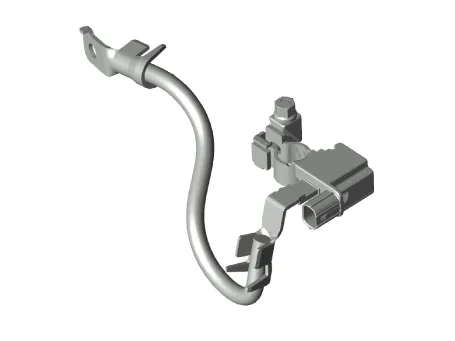
| • |
Batteryt sensor : If the battery sensor is deactivated, the ISG
system does not work.
|
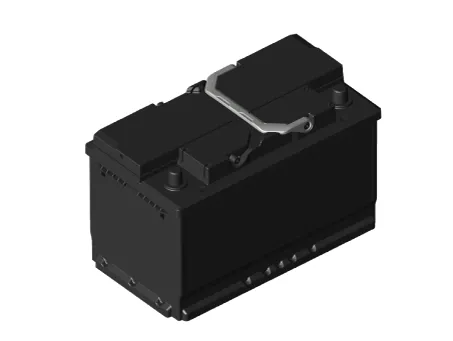
| • |
AGM battery : Due to more frequent engine start ON and OFF process
than regular vehicles, the vehicles with ISG require the higher battery performance and the better battery
state of charge management. Despite the high loads by frequent charging and discharging, AGM battery presents
excellent durability.
|
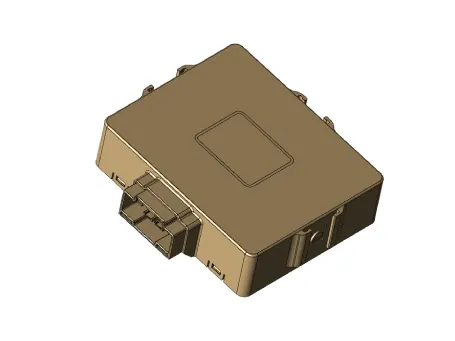
| • |
DC/DC converter : The DC converter supplies the boosted voltage (12
± 0.5V) to prevent electronic device (AVN or Audio, Cluster, etc.) reset from voltage drop at engine automatic
start.
|
| • |
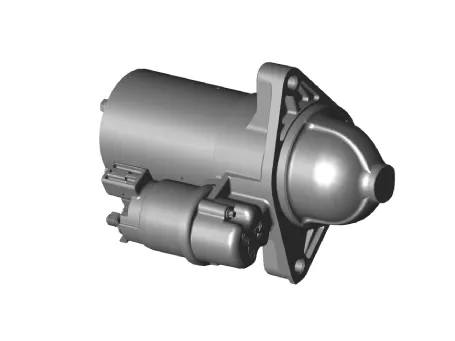
Starter : Vehicles with ISG are frequently engine ON/OFF, therefore
starter motor with improved durability is applied.
|
| • |
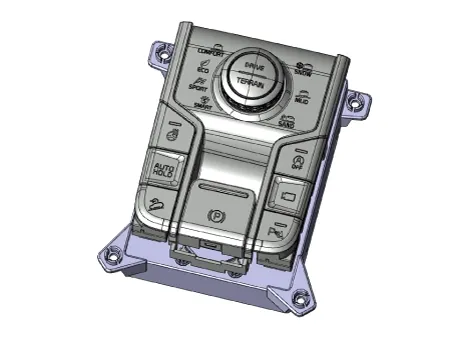
ISG OFF switch : The ISG system is always ON whenever the engine
starts, and can ISG system OFF by pressing the switch.
|
| System Operating Condition |
|
Division |
Item |
Condition |
||
| Auto start & Auto stop |
Driver condition |
ISG OFF switch |
OFF |
|
| Switch (Seat belt/Door/Hood) |
Fastened/Closed/Closed |
|||
| Gear position |
D/N |
|||
| Pedal condition (Brake) |
Brake condition |
|||
|
ON (Auto stop) / OFF (Auto start) |
||||
| Vehicle speed |
Entering 0 kph (0 mph) after driving over 5 kph (3.1 mph). |
|||
| Climate control system condition |
FATC/MTC Satisfied |
|||
| MDPS |
Less than 180 degrees |
|||
|
Battery condition |
Charge/Discharge performance |
SOC > 68 % |
||
| Engine coolant temperature |
20 - 43 °C (68 -109.4°F) |
|||
| Ambient air temperature |
Ambient air temperature : -20 to 50°C (-4 to 122°F) |
|||
| Atmospheric pressure |
More than 750 hPa (75 kph, 0.76 kg/cm², 10.88 psi) |
|||
| Brake vacuum pressure |
Less than -35 kpa (-0.36 kg/cm², -5.07 psi) |
|||
| Incline condition |
-5 to 12% |
|||
| ECM, TCU condition |
Condition (temperature, error, OBD diagnosis) satisfied |
|||
| ISG related error |
None |
|||
| Forced restart |
Climate control system condition |
Blower MAX. / Front Defogger |
ON |
|
|
Battery condition |
Voltage |
Insufficient charging and discharging performance |
||
| Safety |
Brake vacuum pressure |
More than -35 kpa (-0.36 kg/cm², -5.07 psi) |
||
| Vehicle speed |
More than 1.5 kph (0.9 mph) |
|||
| Switch |
Seat belt/Door |
Open during brake pedal ON |
||
| Hood open |
Start by using the key |
|||
|
(Message appear on instrument cluster) |
||||
| Brake/Accel pedal ON at the same time |
Immediately restart |
|||
| ISG OFF switch |
Immediately restart |
|||
 ISG (Idle Stop & Go) System
Schematic Diagrams
System block diagram
DC DC converter Specifications
Specification
Item
Specificat...
 Schematic Diagrams. DC DC converter Specifications
See also:
Specifications
Purge Control Solenoid Valve (PCSV)
▷ Specification
Item
Specification
Coil Resistance (Ω)
19.0 ~ 22.0 [20 ...
Manifold Absolute Pressure Sensor (MAPS) & Intake Air Temperature Sensor (IATS) Removal and Installation
Removal
1.
Disconnect the battery negative ( - ) terminal.
2.
Disconnect the ...
Manuals list
- Kia Sorento MQ4 2021-2026 Owners Manual
- Kia Sorento XM 2011-2015 Owners Manual
- Kia Sorento XM 2011-2015 Service Manual

Copyright © www.ksmanual.com 2014-2026 - 0.0574